IPS provides advanced elevator communication and Area of Refuge systems designed to enhance safety, code compliance, and emergency communication. We partner with leading manufacturers to deliver reliable, scalable solutions tailored to your facility. Kings III and RATH by AVIRE are our key technology partners.
ADA-Compliant Emergency Communication Solutions
Area of refuge and elevator intercom systems provide critical, code-required communication during emergencies. These systems allow individuals who cannot safely evacuate to immediately connect with building personnel or first responders for assistance.
At Integrated Protection Services (IPS), we design, install, and service fully compliant two-way emergency communication systems to meet ADA, IBC, and NFPA requirements—ensuring your building is both safe and code-compliant.
What Is an Area of Refuge Intercom System?
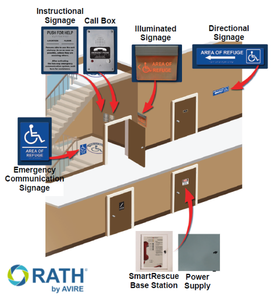
An area of refuge intercom system is a two-way communication solution installed in designated safe areas—such as stairwells and elevator landings—where individuals can wait during an emergency and request assistance.
These systems:
- Provide hands-free voice communication
- Connect directly to a central command station or monitoring location
- Offer audible and visual indicators
- Ensure reliable communication during emergency events
Where Are These Systems Required?
Area of refuge and elevator communication systems are commonly required in:
- Multi-story commercial buildings
- Healthcare facilities and senior living environments
- Educational campuses
- High-rise residential complexes
- Any structure requiring accessible means of egress
They are typically located in:
- Stairwells
- Elevator lobbies / landings
- Designated refuge areas
Elevator Communication vs. Area of Refuge Systems
While often confused, these systems serve related but distinct roles:
| System | Purpose | Typical Location |
|---|---|---|
| Elevator Intercom | Communication from inside the elevator car | Inside elevator car |
| Elevator Landing Communication | Two-way assistance communication near elevators | Elevator lobbies |
| Area of Refuge System | Safe waiting area with communication to responders | Stairwells / protected areas |
Understanding these differences ensures full compliance and proper system design.
Codes & Compliance Requirements
IPS systems are designed to meet all major life safety codes, including:
- IBC (International Building Code) – Accessible means of egress and communication requirements
- NFPA 72 – Emergency communication system standards
- ADA (Americans with Disabilities Act) – Accessibility and usability requirements
- UL 2525 – Performance standard for two-way emergency communication systems
These systems ensure that individuals who cannot evacuate independently have direct, reliable communication with emergency personnel.
Why Choose IPS for Emergency Communication Systems
IPS provides complete, turnkey solutions tailored to your facility:
- Code-compliant system design and engineering
- Integration with fire alarm and life safety systems
- Installation, testing, and ongoing support
- Experience across commercial, healthcare, and industrial facilities
- Regional expertise across multiple markets
Our team ensures your system is properly designed, installed, and maintained to meet regulatory requirements and perform in critical situations.
FAQs
Do all buildings require area of refuge systems?
Not all buildings require them, but many multi-story or accessible facilities must provide compliant emergency communication systems under IBC and ADA guidelines.
Are elevator intercoms the same as area of refuge systems?
No. Elevator intercoms provide communication inside the elevator car, while area of refuge systems are located in designated safe areas outside the elevator.
How do AOR Systems Work?
- User activates the call station (push button or hands-free device)
- The system sends a signal to a central control point or monitoring station
- A two-way voice connection is established immediately
- Personnel provide instructions, reassurance, and response coordination
Are these systems required to be monitored?
Yes—systems must connect to a monitored location or central control point capable of responding to emergency calls.
What happens if a call is unanswered?
Many systems are designed to automatically route calls to a secondary location or emergency services to ensure communication is never lost.
What types of systems are available?
Systems can include analog, IP-based, and integrated communication solutions depending on the building’s infrastructure and needs.
How do these systems communicate?
Elevator and AOR Systems can communicate via POTS lines or cellular.
What applications & industries can be served?
- Hospitals and healthcare systems
- Schools and universities
- Office buildings and corporate campuses
- Manufacturing and industrial facilities
- Multi-family residential buildings
Are there any special accessibility factors to consider?
Newer elevator installs may require an alternate form of communication for the hearing impaired including Two-Way Messaging. In-car screens or touchscreens allow passengers to read messages from emergency operators (e.g., "Help is on the way") and reply via on-screen "Yes/No" buttons.
Contact IPS